rhyzoom
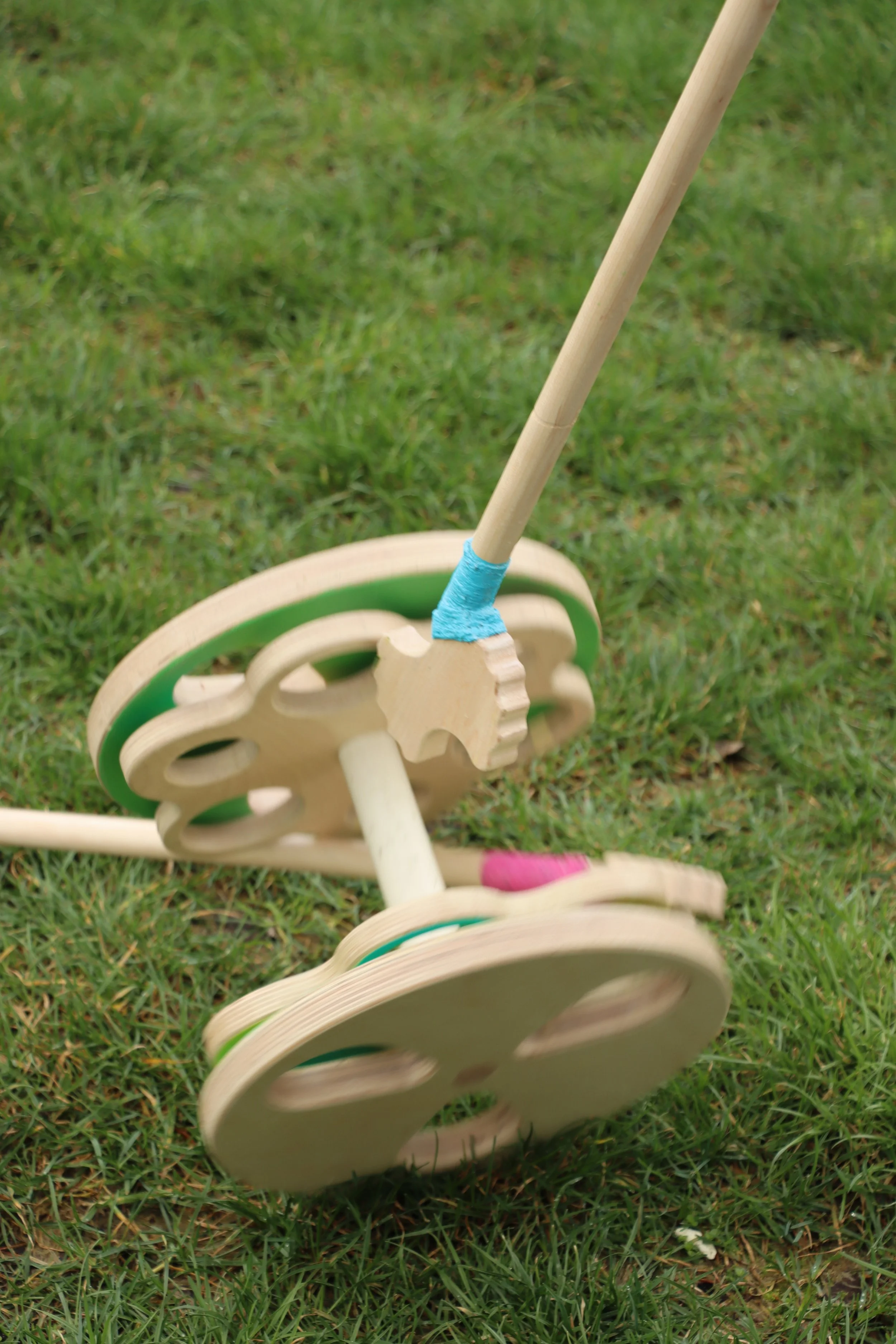
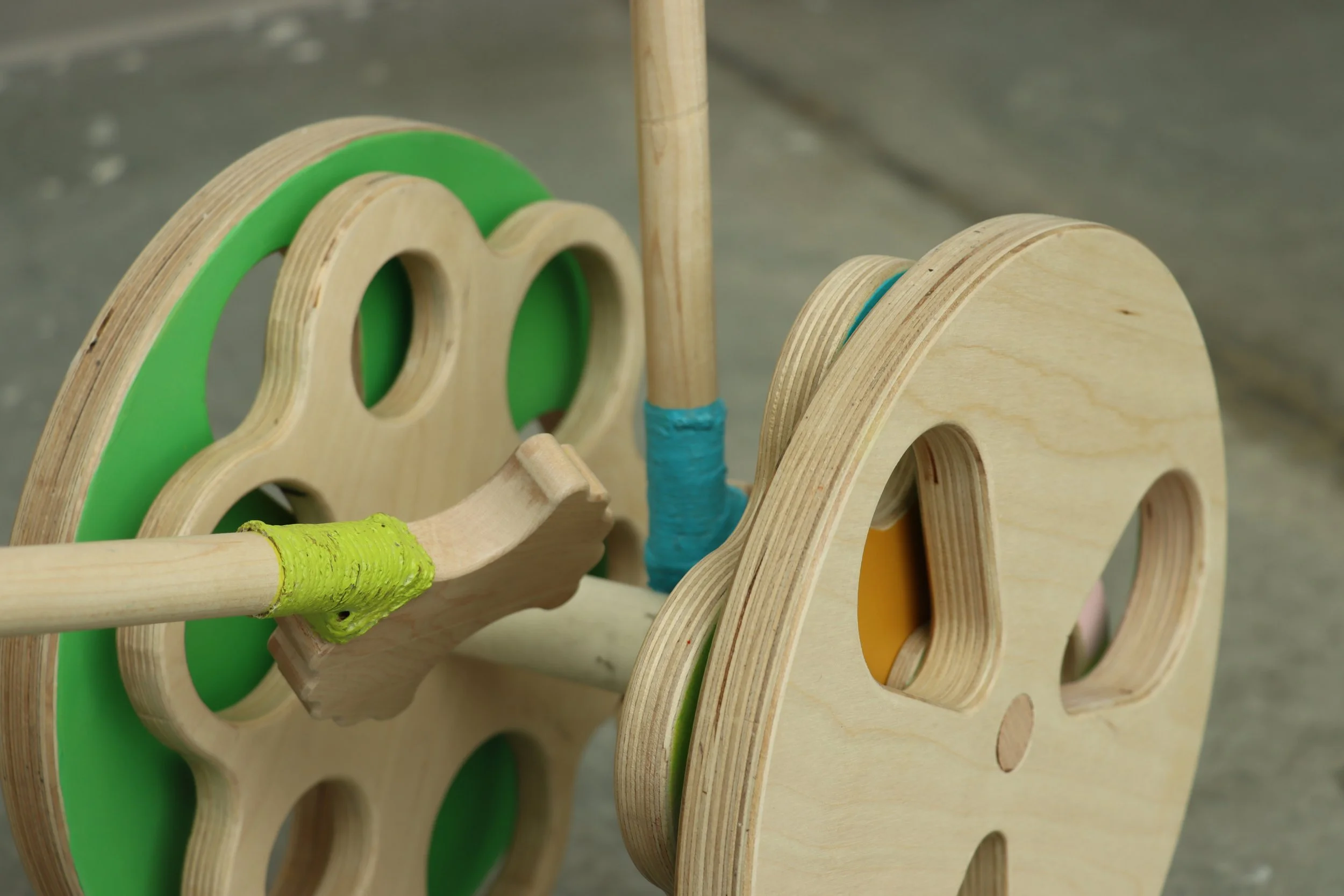
Rhyzoom is an interactive therapeutic toy designed to support children coping with trauma. Currently under study by the Psychology Department at the University of British Columbia (UBC), Rhyzoom is set to be introduced in a refugee camp as part of its first field trial.
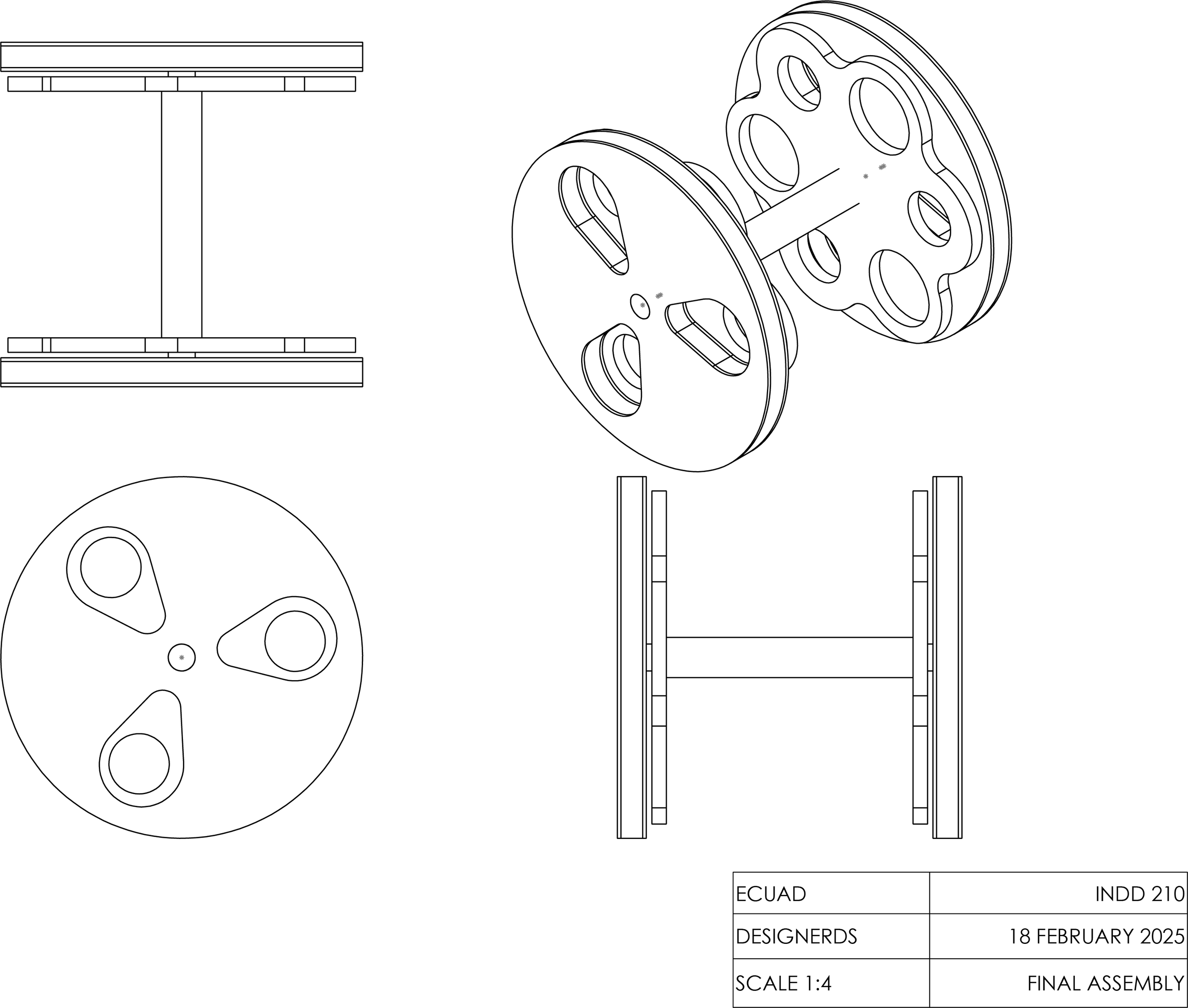
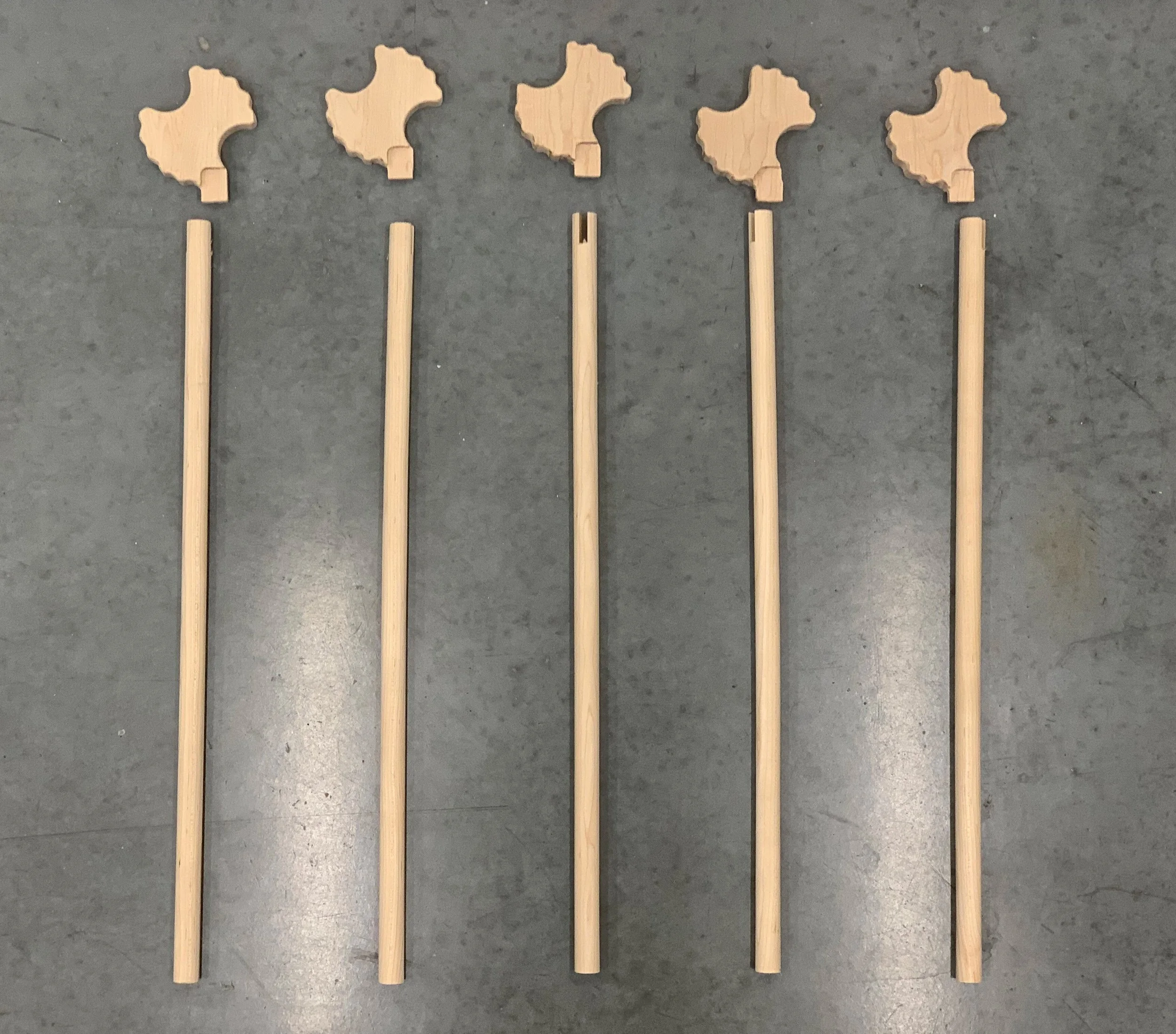
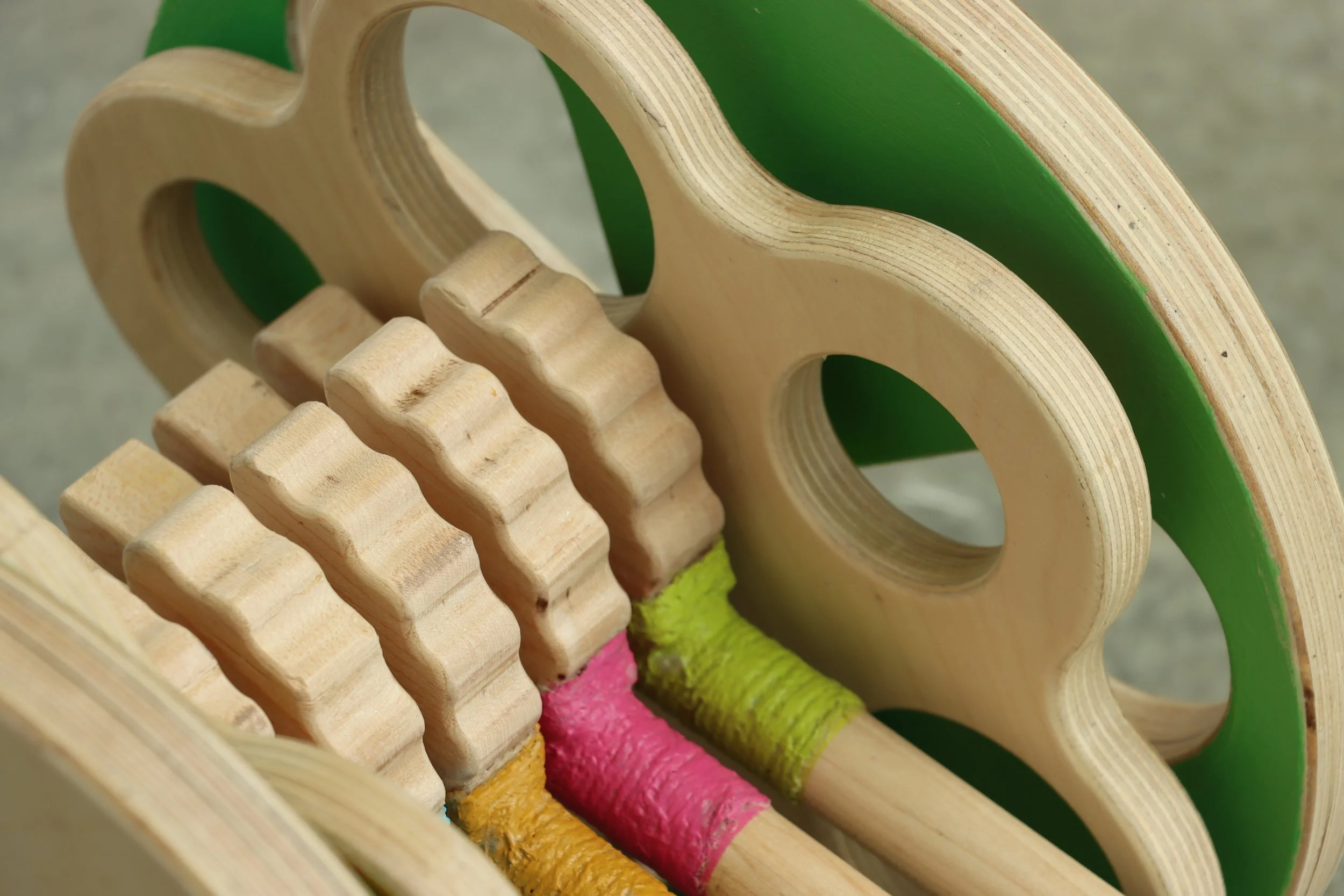
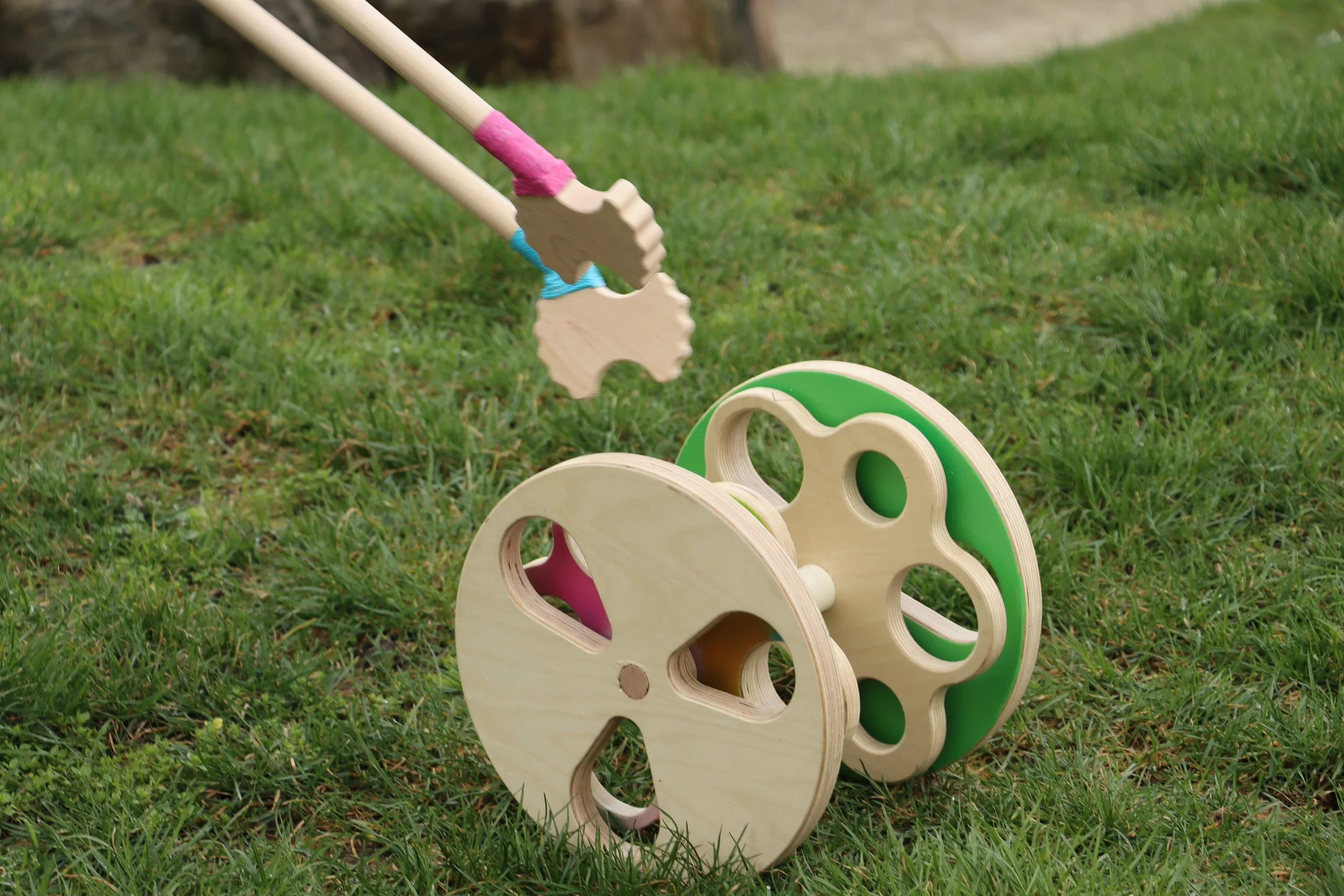
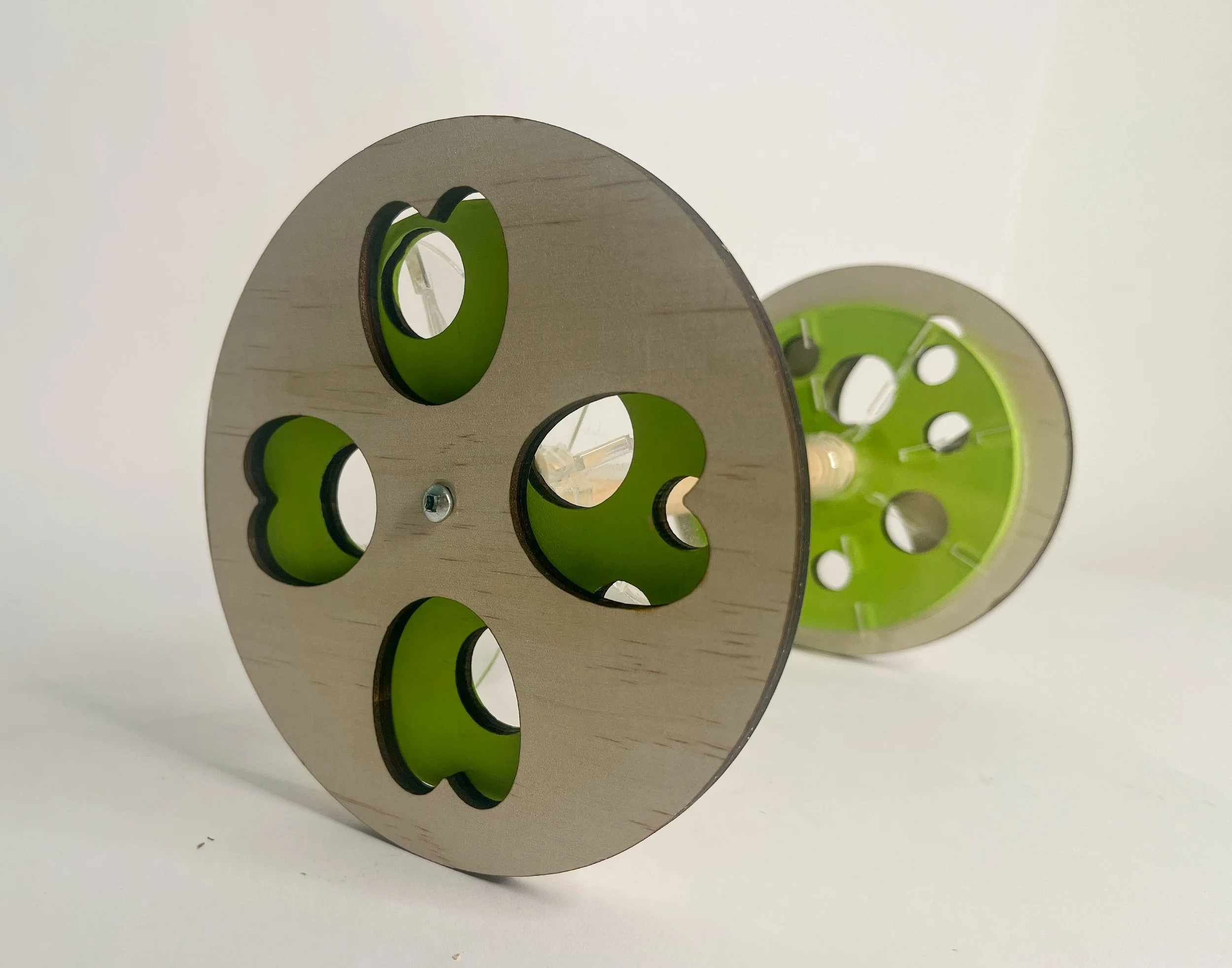
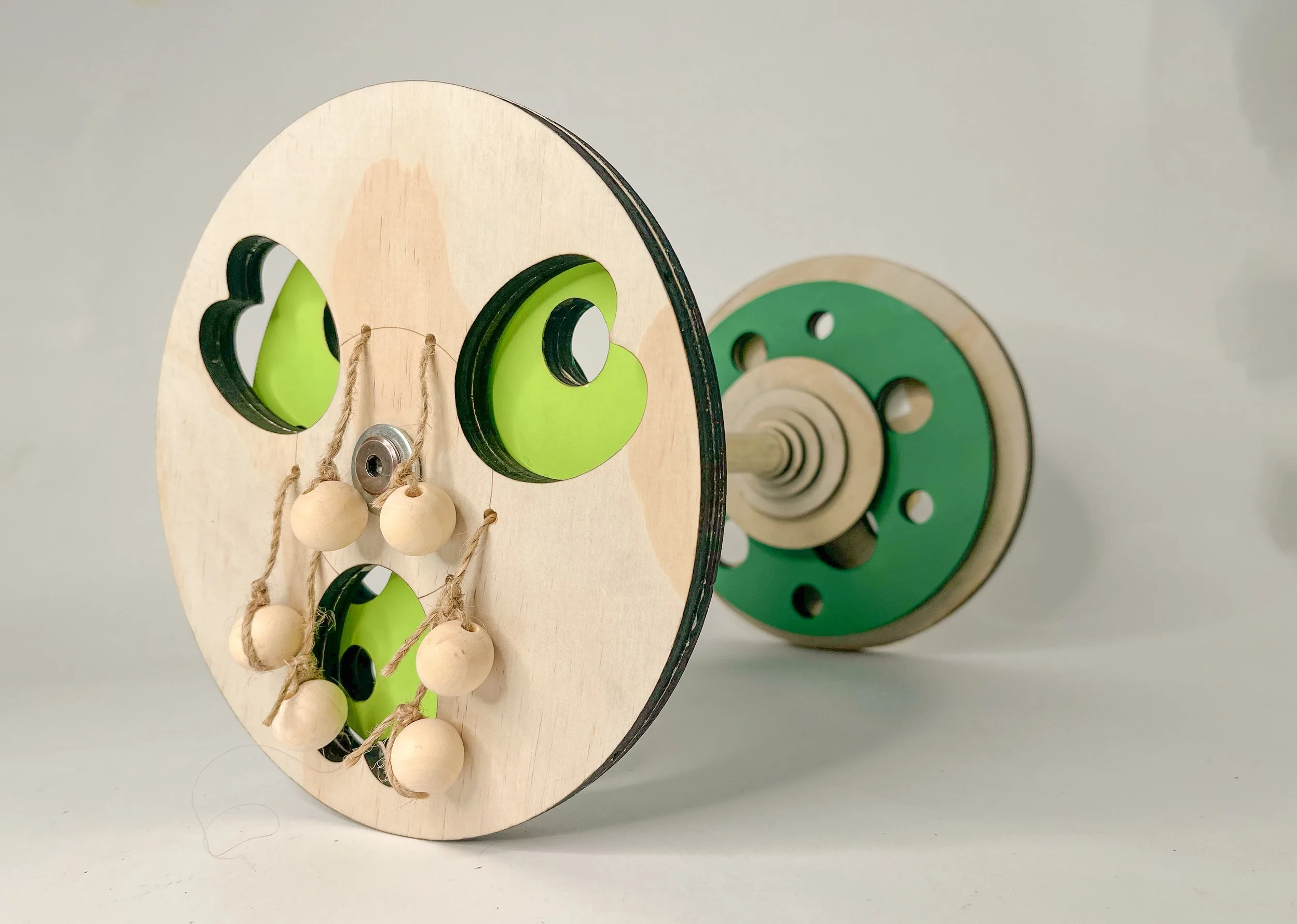
Children can engage with Rhyzoom by pushing it with their feet or using the provided push sticks, encouraging physical movement and sensory exploration. The toy features two independently rotating layers that spin at varying speeds, creating a mesmerizing, dynamic display of colour. Hidden within the outer ring are small beads nestled in internal cavities, producing a soft, rhythmic sound as the toy rolls—a sound intended to soothe and calm.
Designed in partnership with Sam Fuller and Ana Gutierrez
Materials: Baltic Birch, Eastern Maple, Twine, Rosewood Beads.
2025
Design Process Phase 1
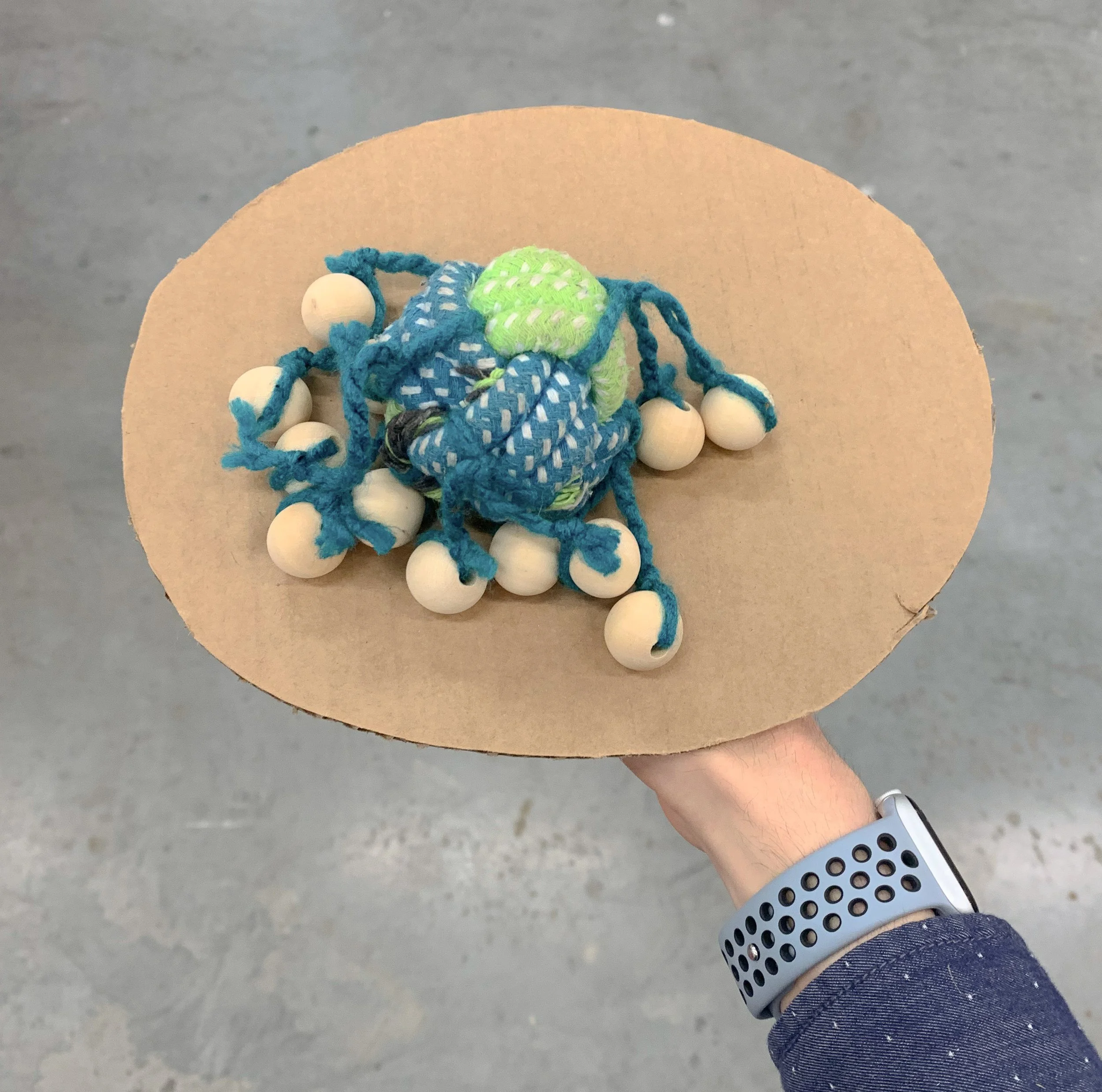
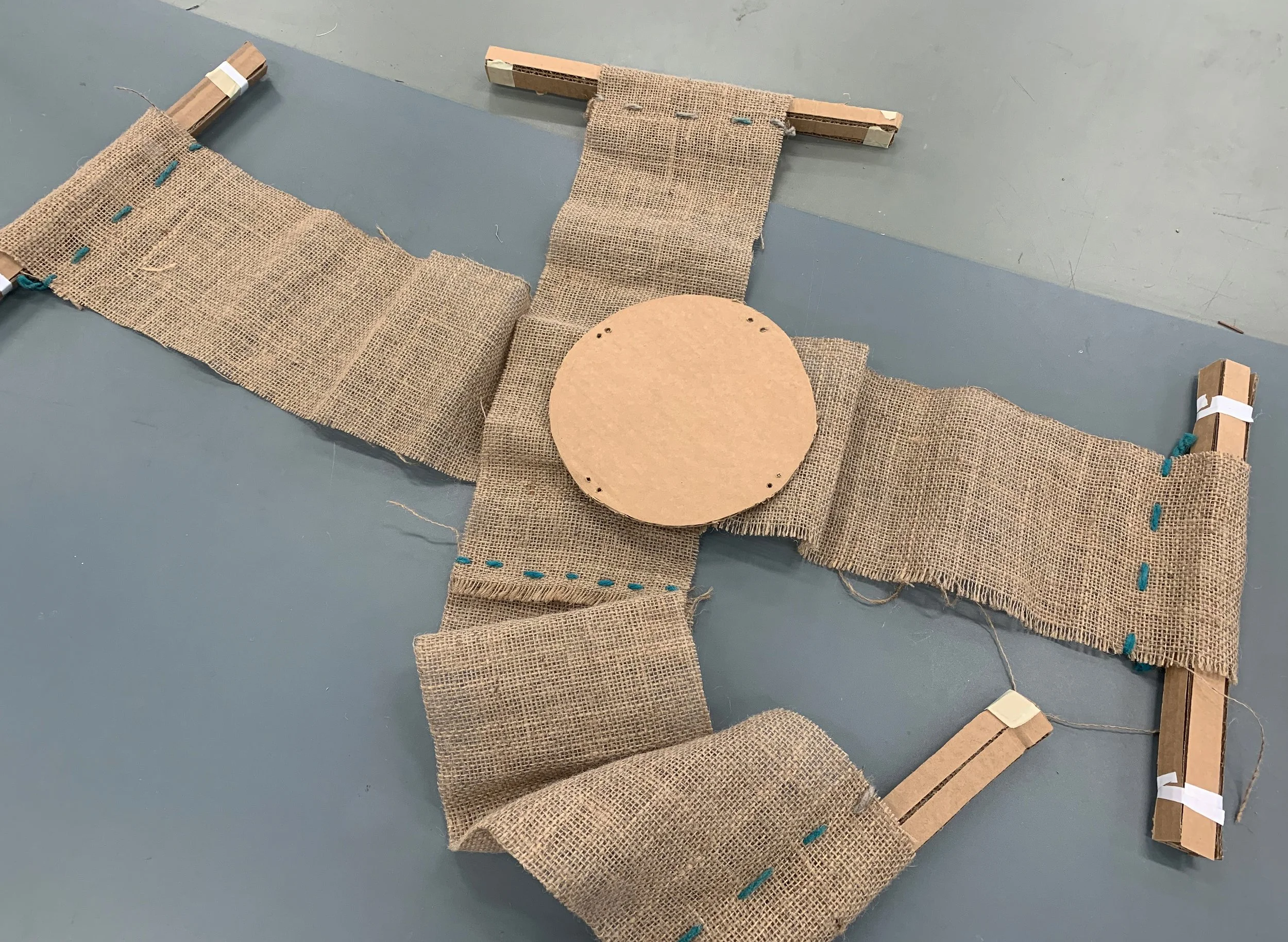
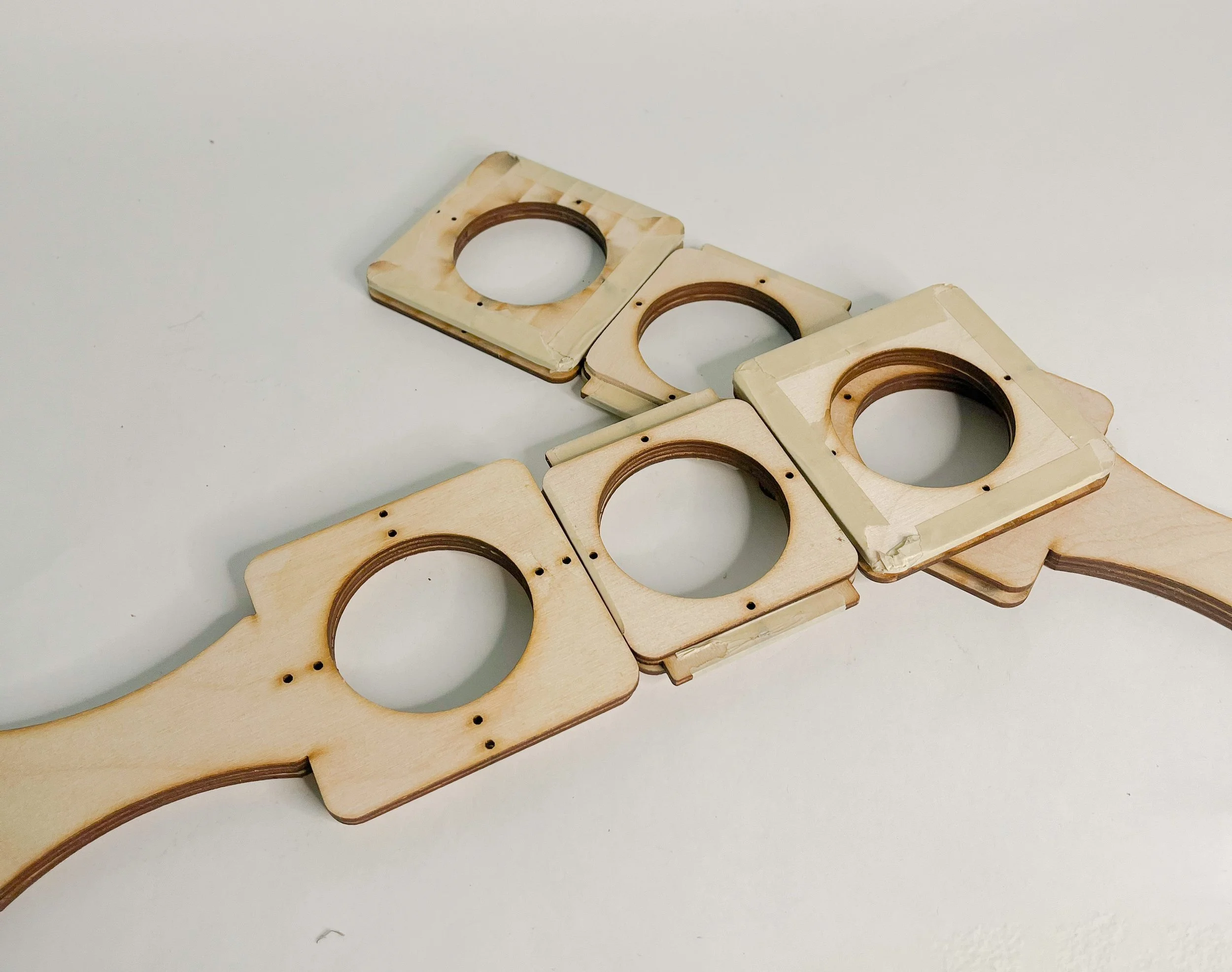
Our iteration began with a group of low-fidelity prototypes, where we explored ideas we wanted to bring into the tangible world. The three ideas all explore the concept of passing and the connection that arises through toy passing.
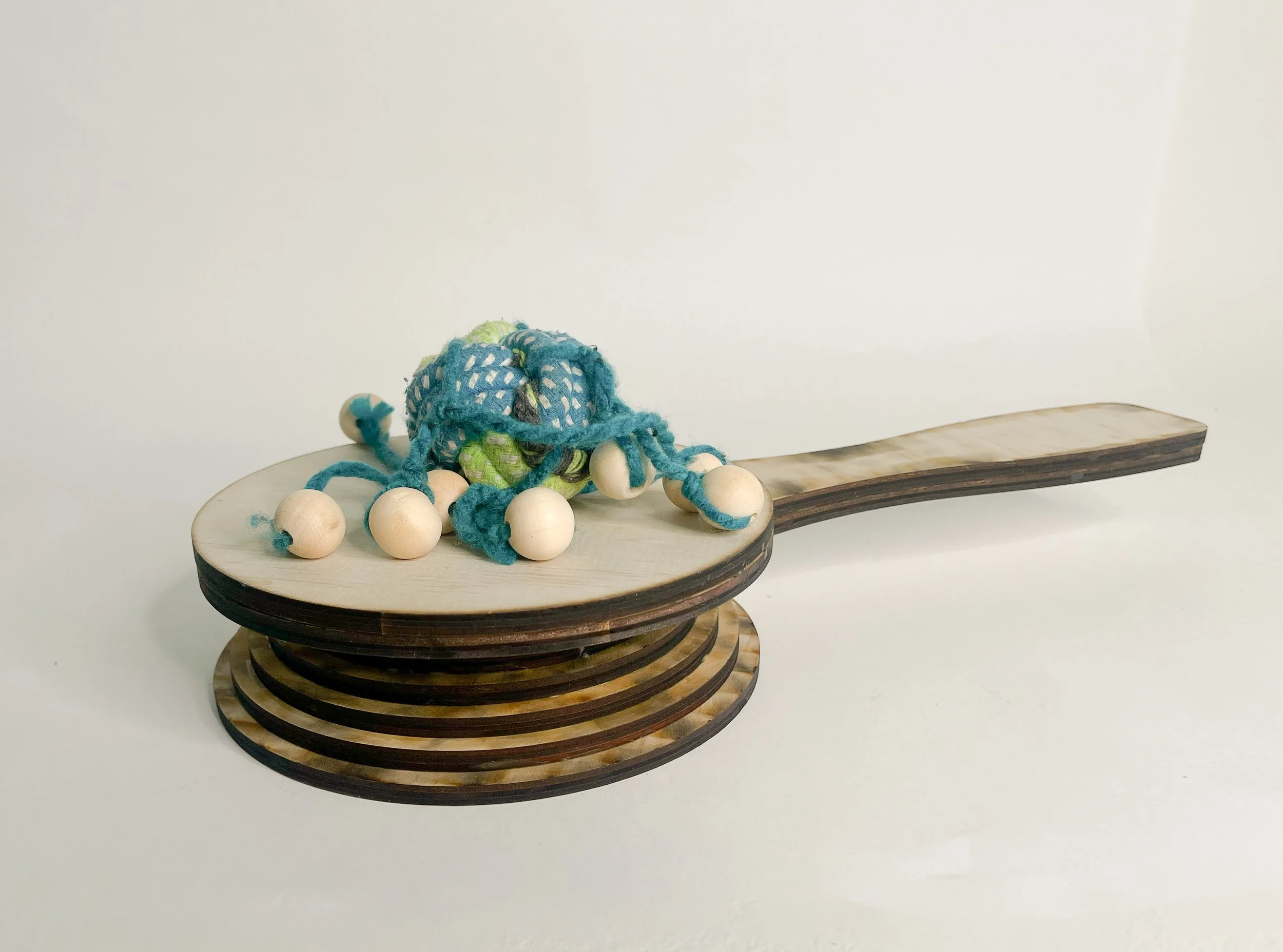
The first three projects included a modular passing tool for pairs, a rolling toy that could be pushed with your feet, and variations of tools for passing a beaded toy that would create visual and auditory interest.
Design Process Phase 2
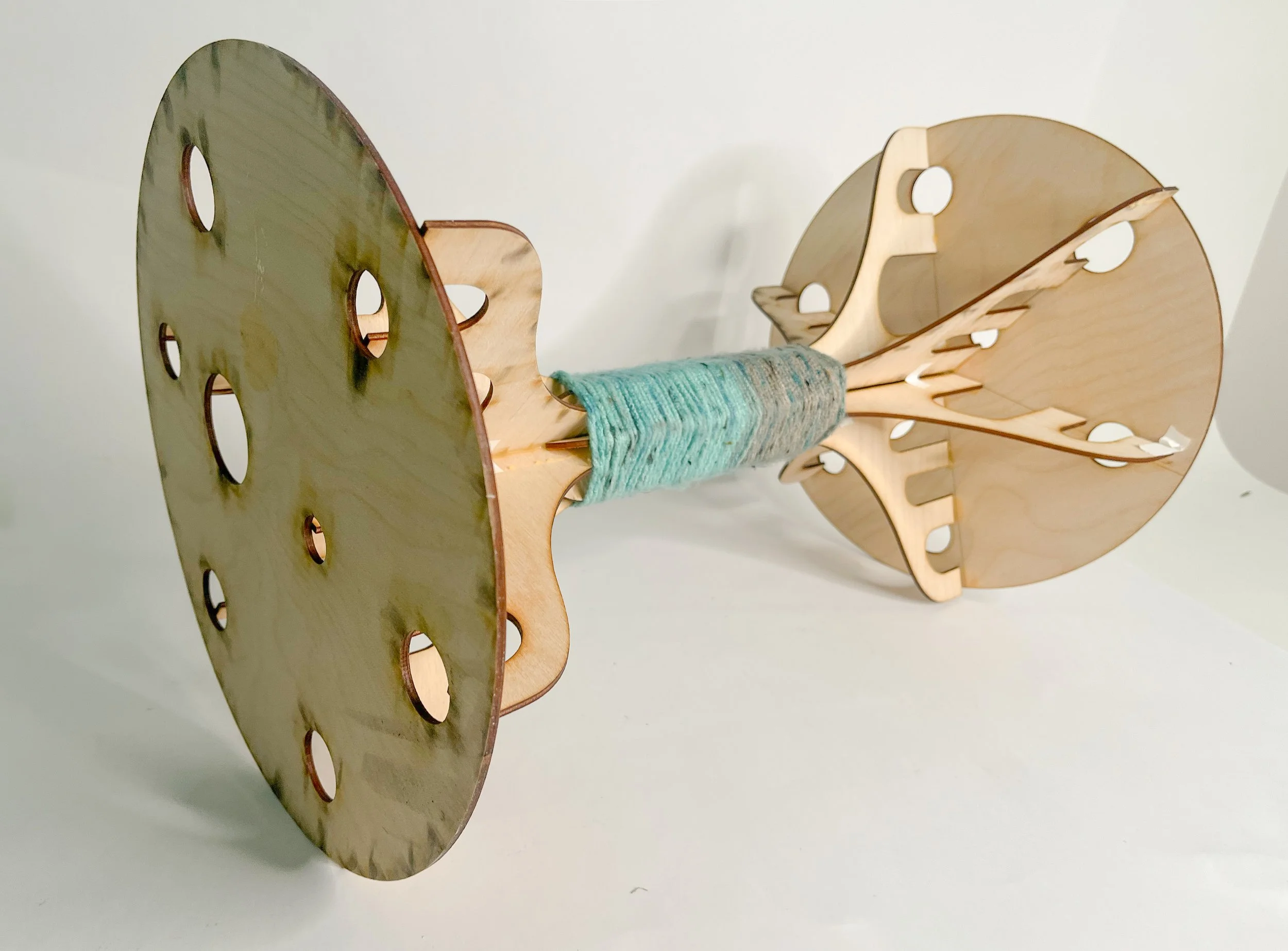
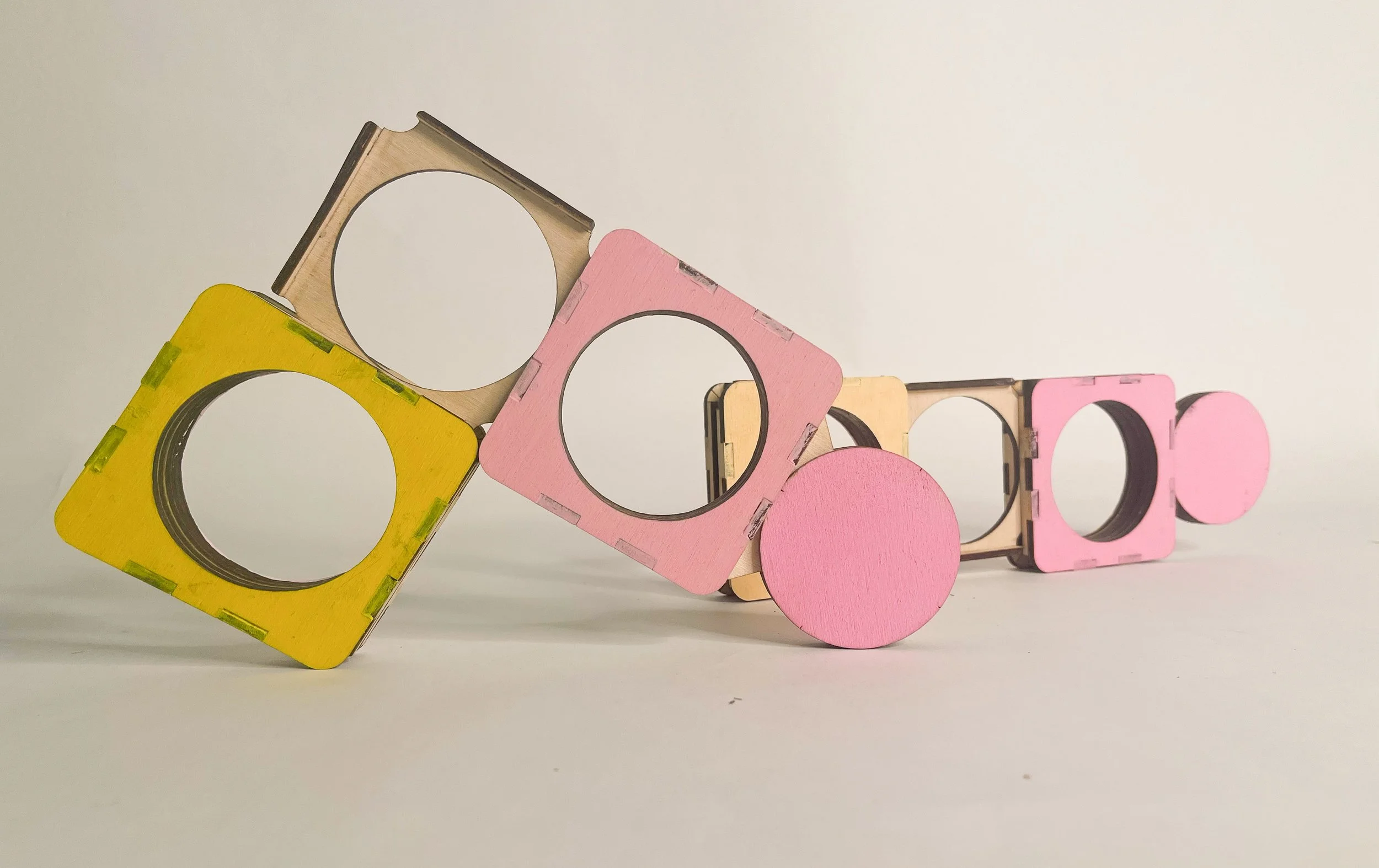
For our second phase of this design process, we continued with the foot passing tool and the modular passing tool.
For the foot passing tool, we added bracing to the sides to prevent the outer rings from snapping - a problem that continued throughout the project. We also added a second inner ring that would spin in a different direction, creating visual interest.
For the passing tool, we created a more secure latching mechanism instead of the friction connection we used in the previous iteration.
Design Process Phase 3
For our third phase of this design process, we moved forward with the foot passing tool, as the modular passing tool was becoming too complex and not feasible for the prompt.
We wanted to revisit one of our previous prototypes and add an audible element to our design. This lead to us tying beads on the sides of the prototype
Construction
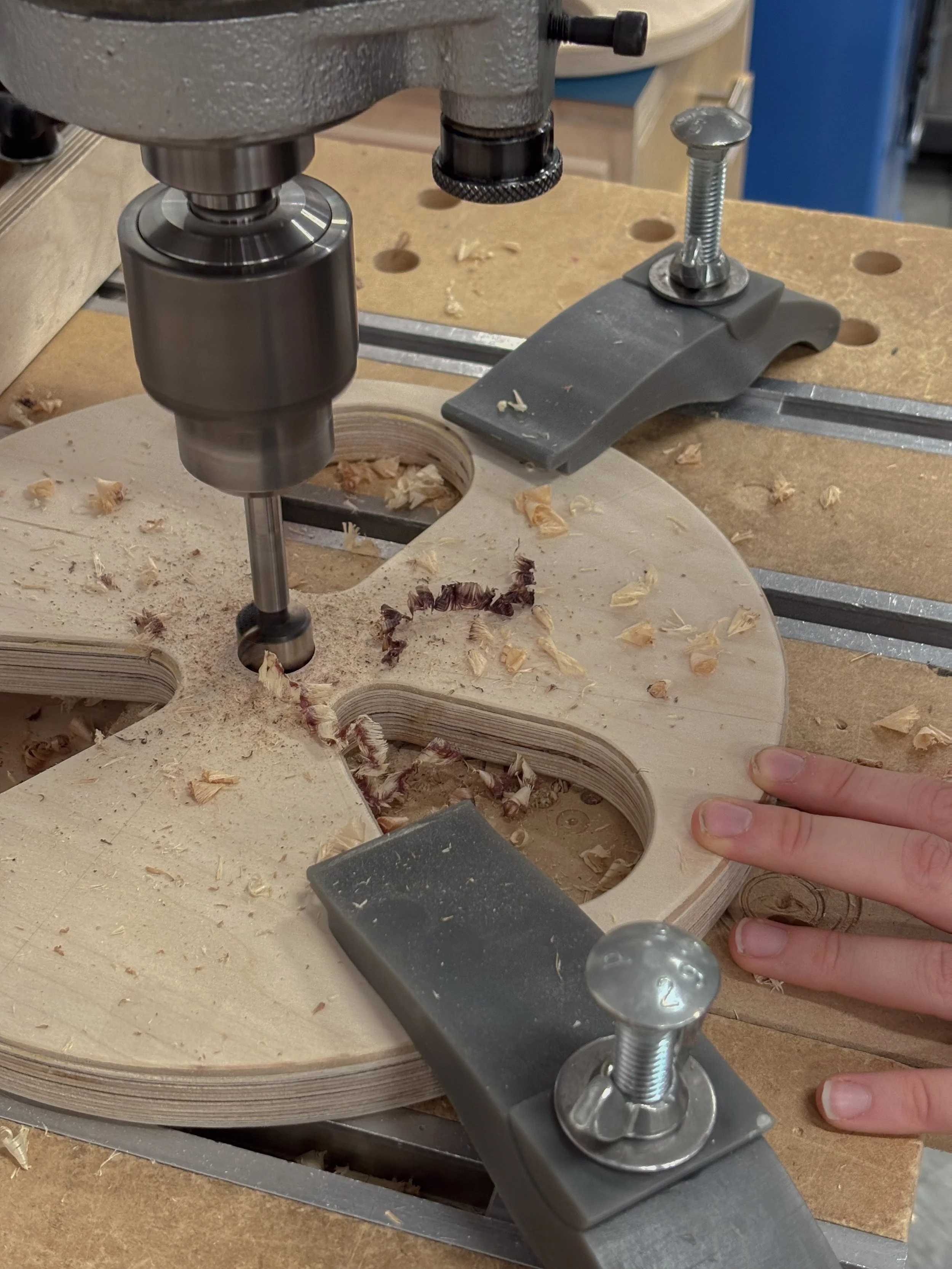
Before making our final prototype, we iterated on different ways to indent the beads into the side of the toy. Preventing them from falling off over time. This also led us to discover the optimal shapes for generating turbulence in rotating objects.
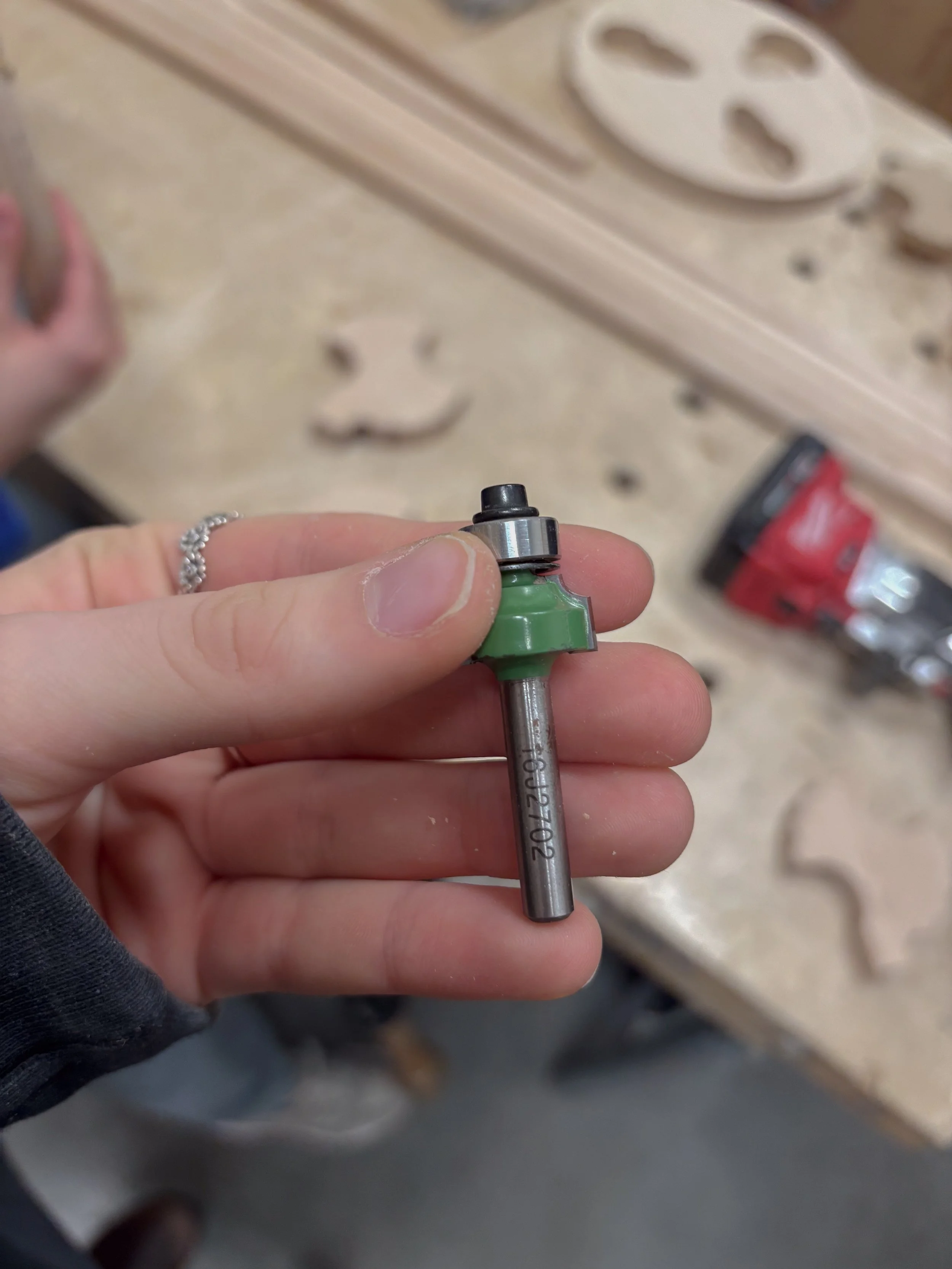
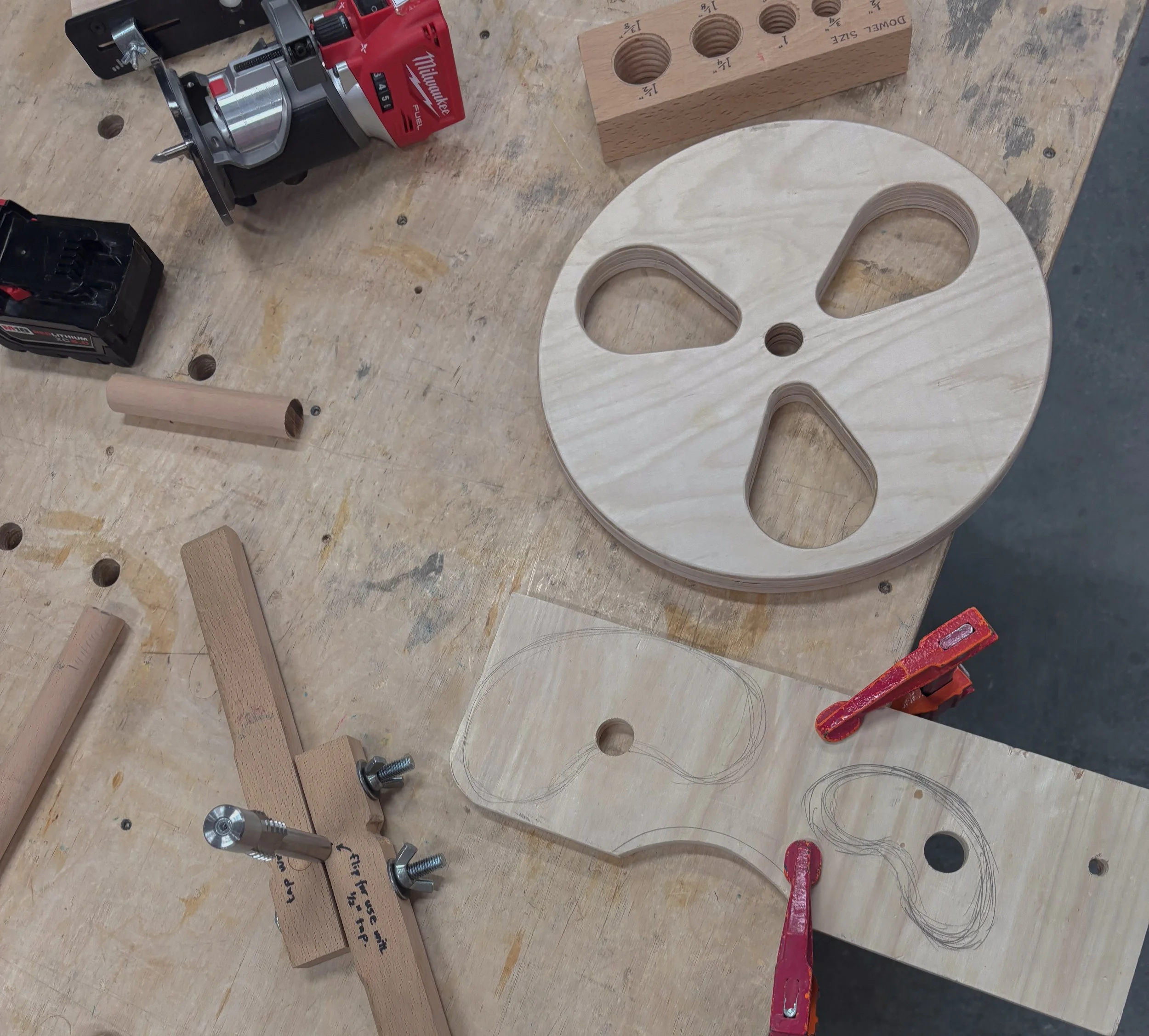
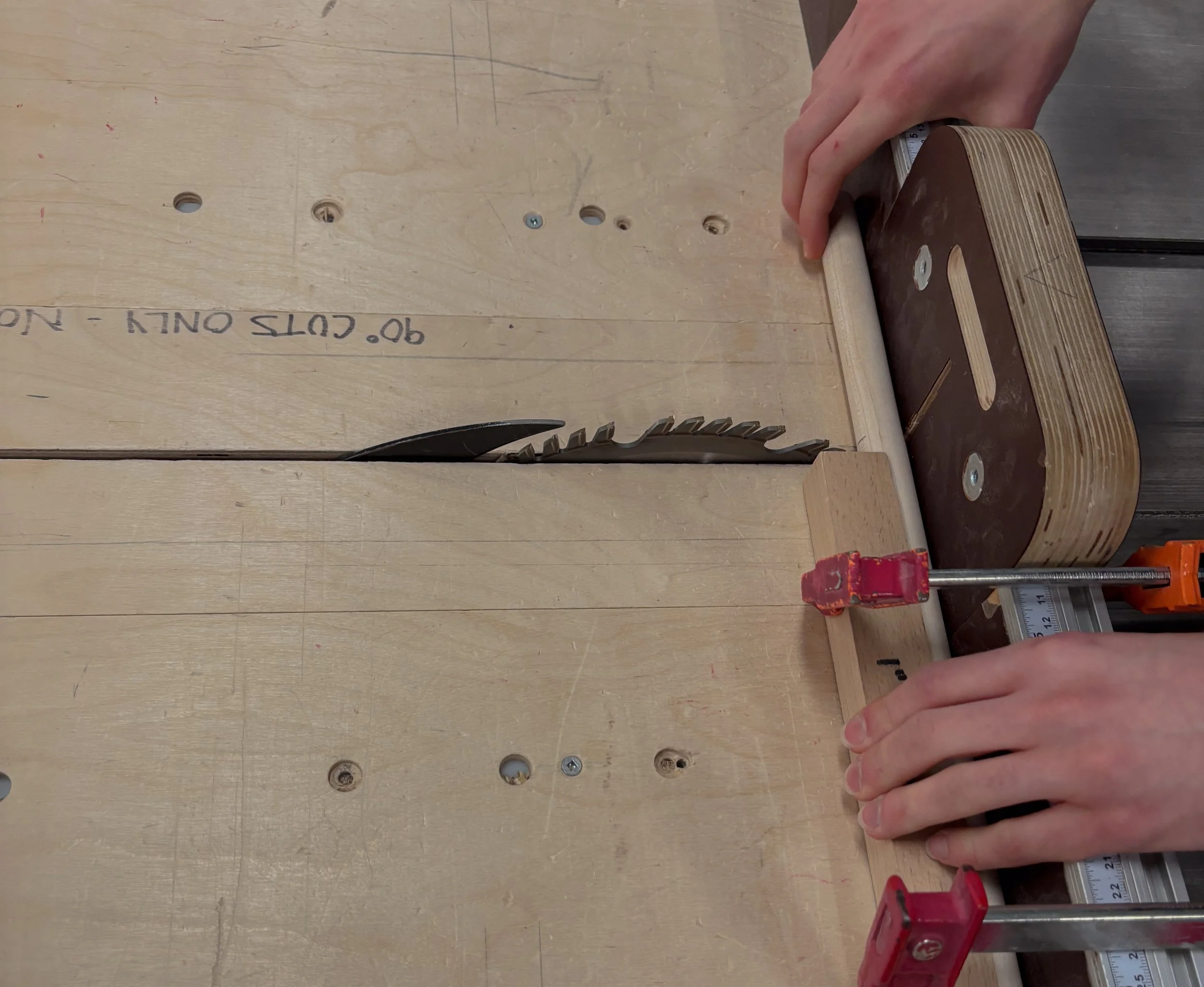
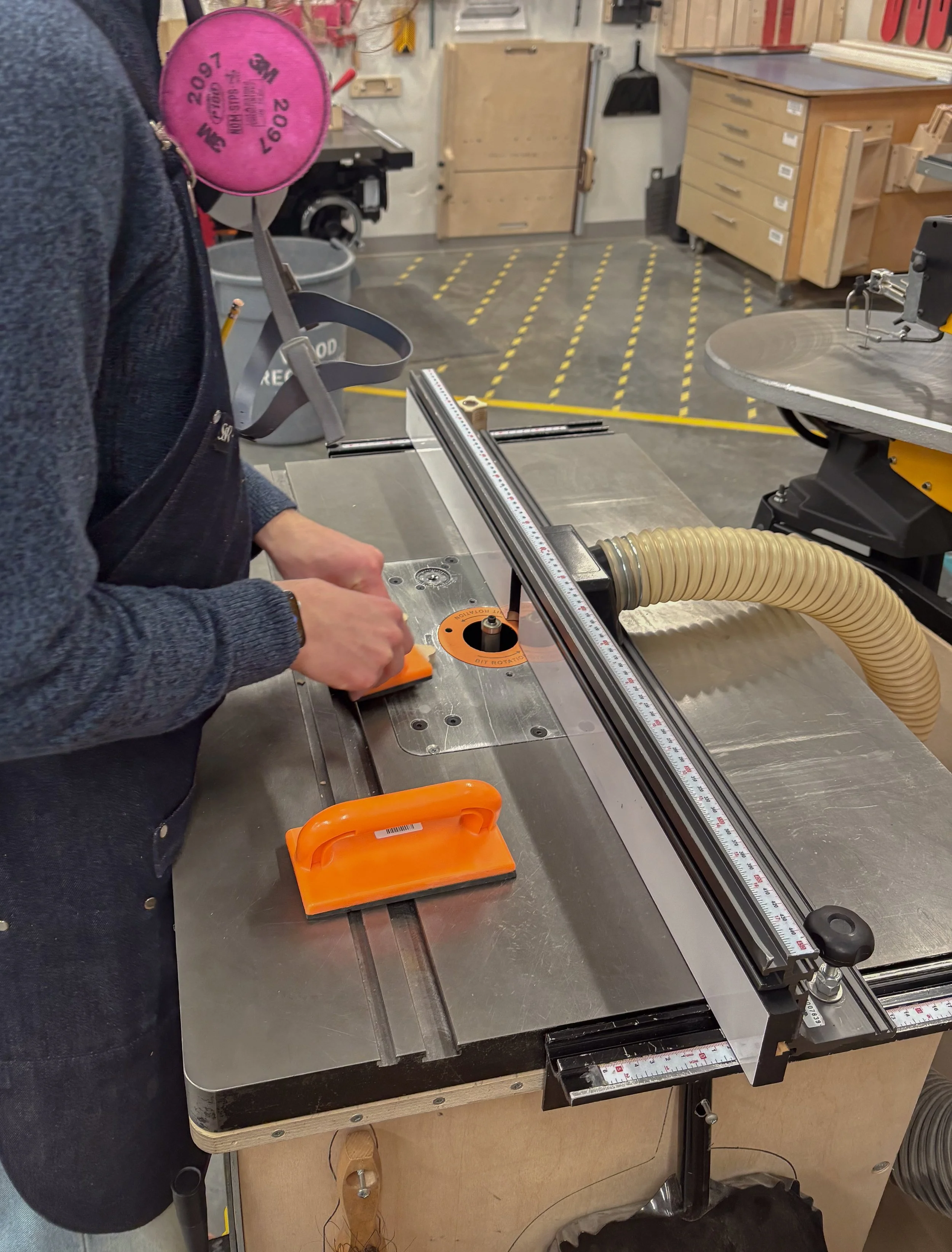
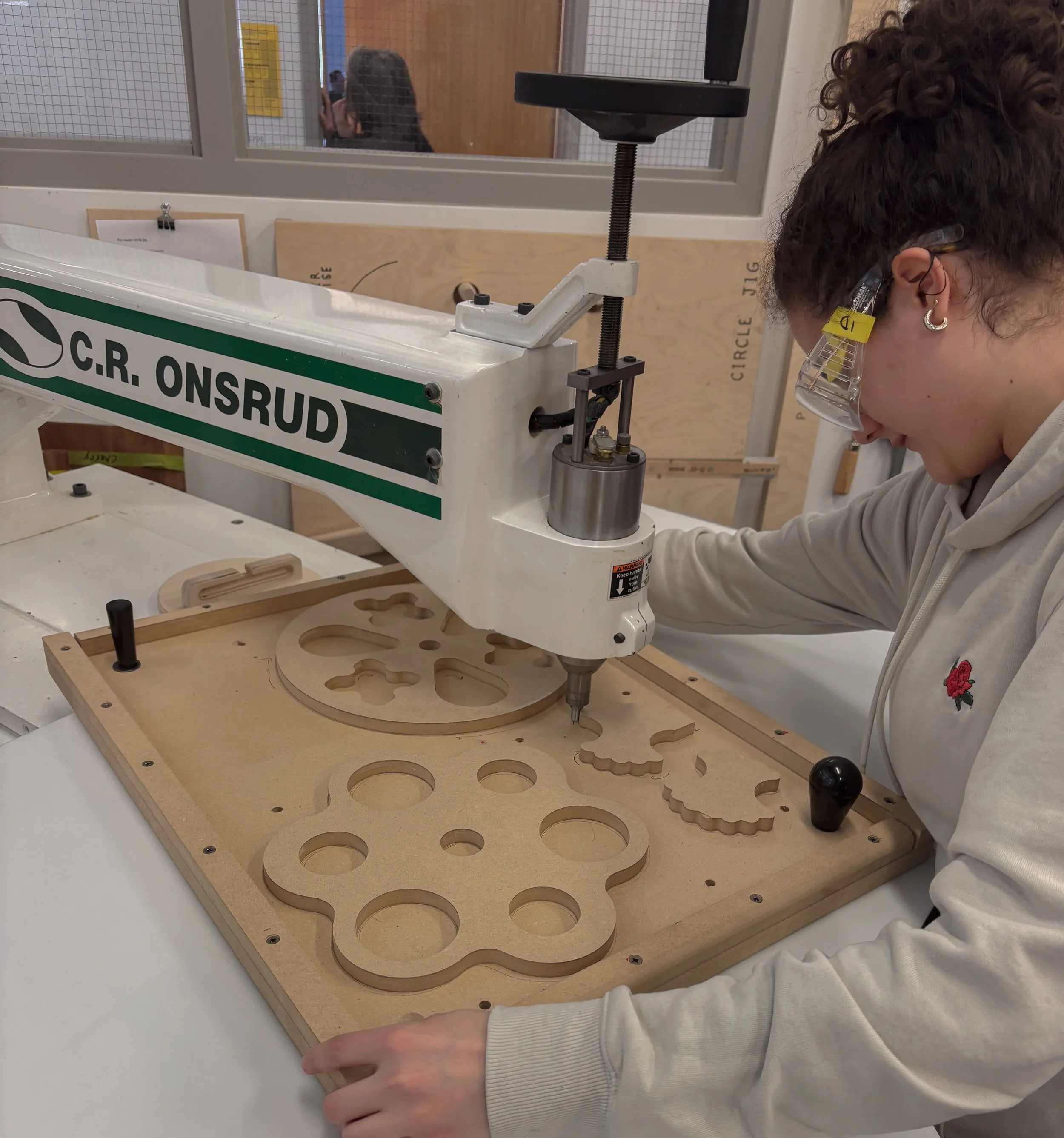
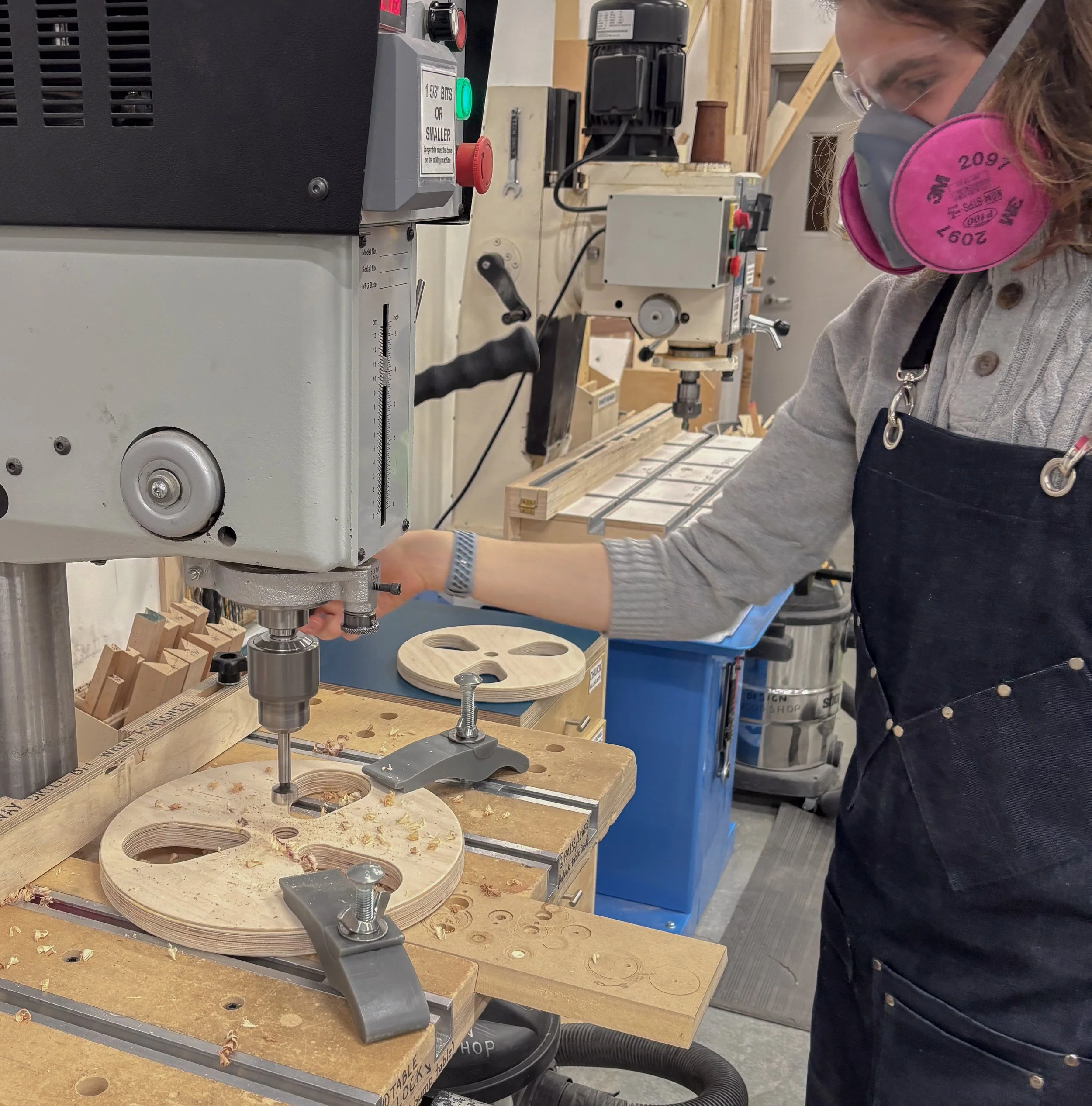
Constructing this project uses various tools and processes, including: CNC, Pin Router, Coppy Lathe, Vacum Bags, Routers, Table Saws, and Solid Works.